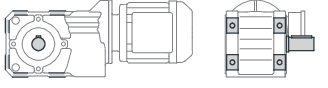
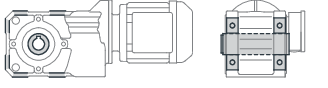
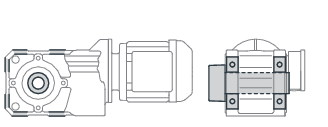
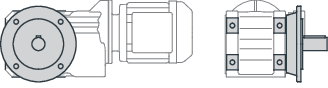
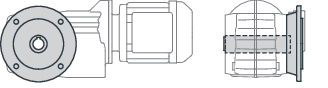
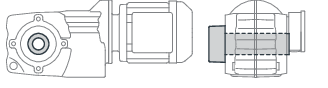
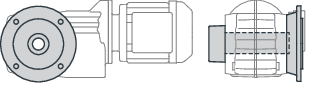
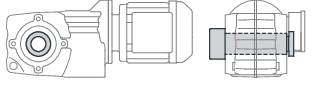
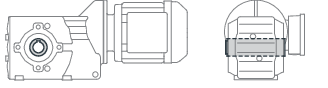
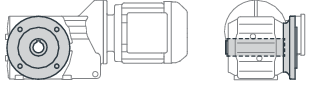
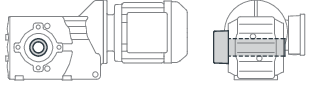
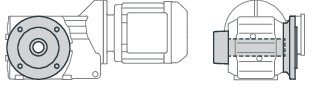
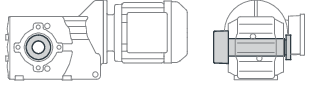
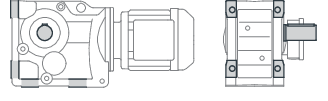
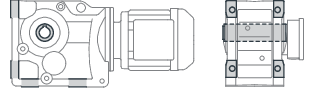
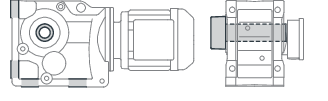
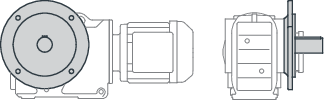
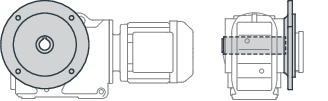
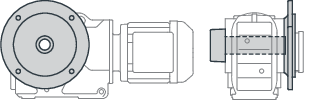
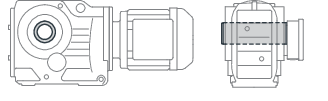
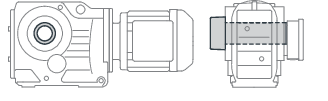
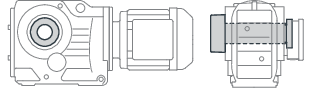
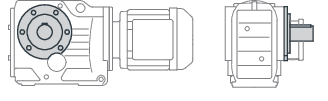
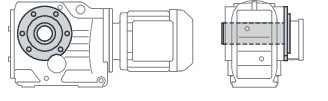
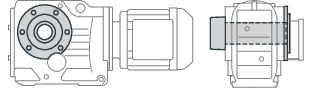
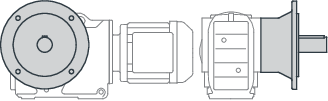
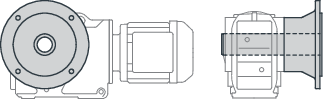
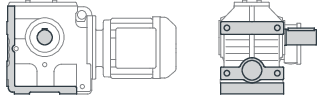
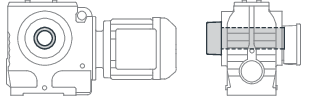
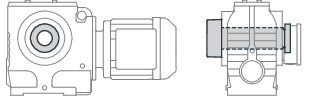
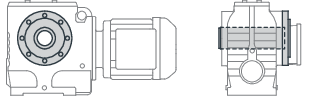
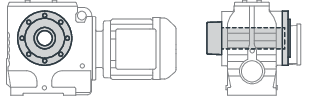
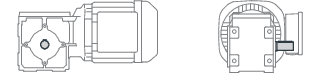
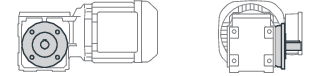
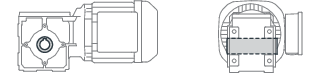
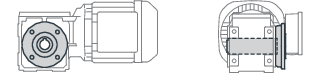
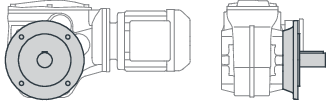
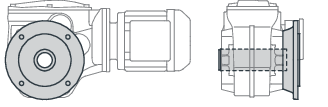
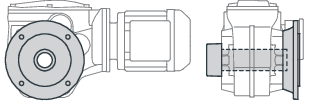
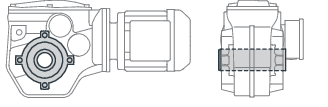
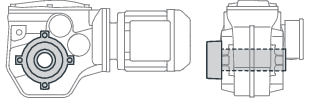
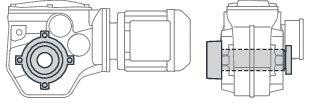
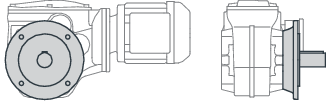
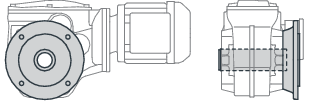
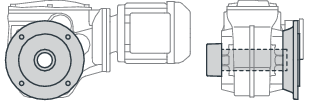
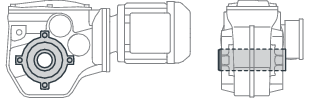
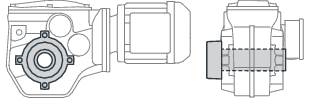
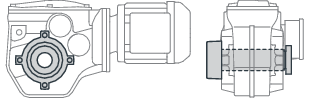
The gearmotors
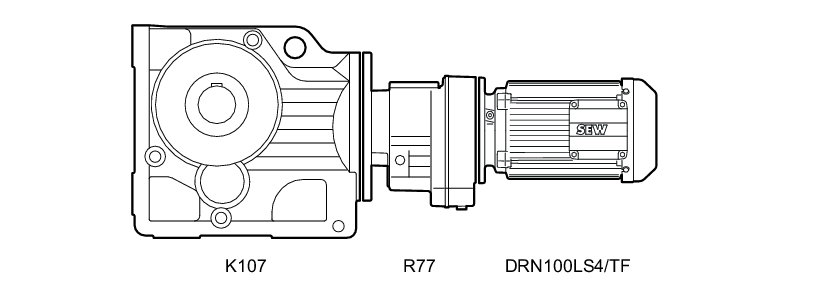
A gearmotor is a compact, homogeneous unit consisting of a gear unit and a motor.
The central role is performed by the gear unit with its gear unit stages and gear wheel pairs. They transmit the torque and the speed of the motor from the input end to the output end, converting them in the process.
In most applications, the gear unit reduces the motor speed and increases the torque by the same ratio – something the electric motor alone could not achieve. The size and design of the motor and gear unit determine whether the gearmotor is suitable for light, medium, or heavy loads or for short or long duty cycles, for example.
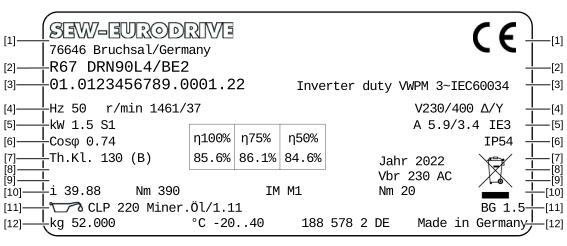
Depending on whether the gear unit reduces or increases the speed of the motor, this is referred to as a reduction ratio or a gear ratio. The key parameter here is the speed ratio i between input speed and output speed.
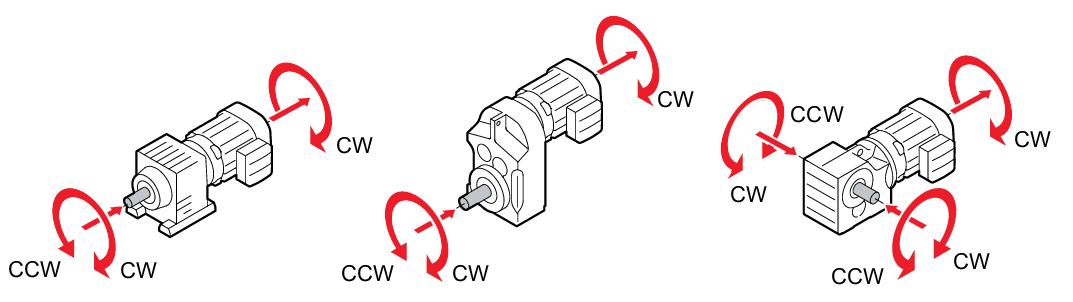
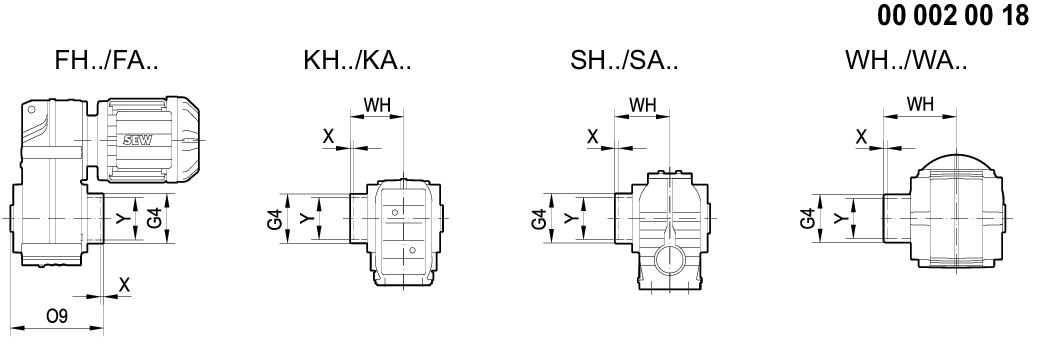
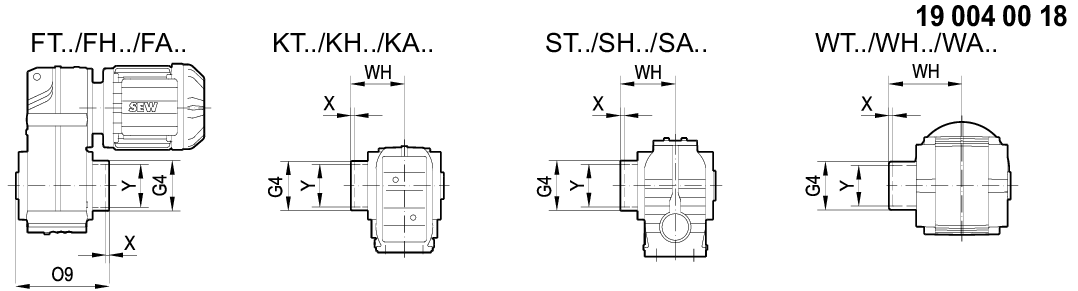
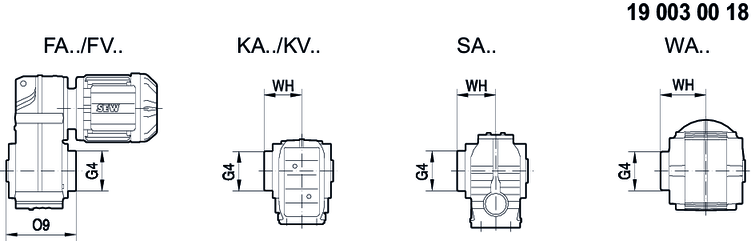
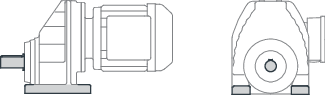
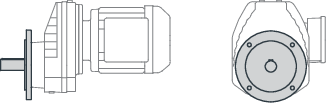
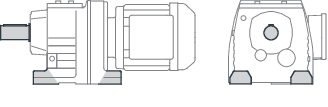
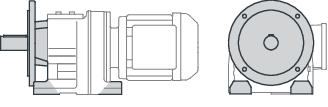
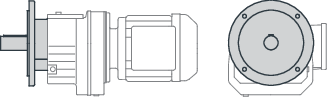
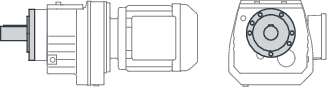
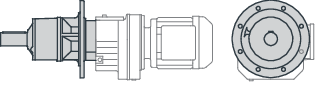
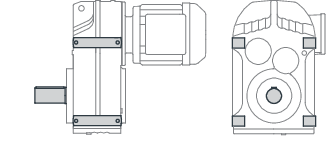
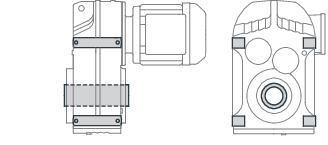
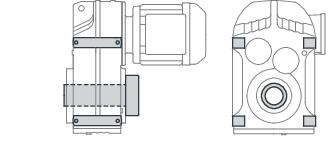
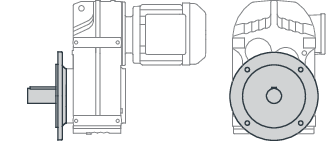
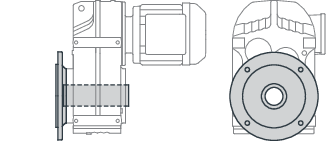
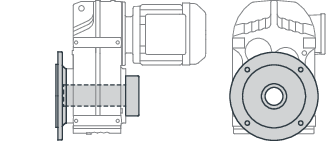
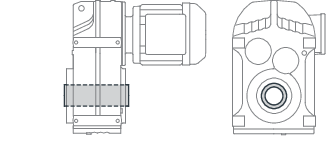
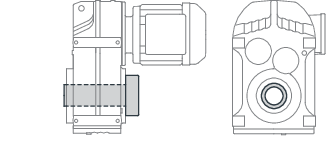
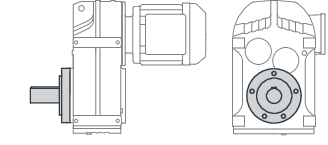
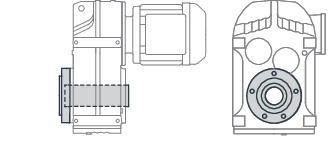
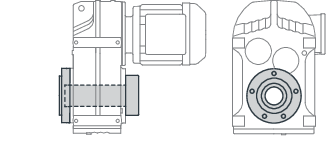
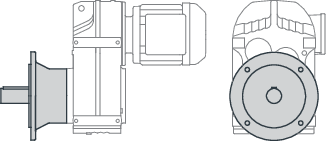
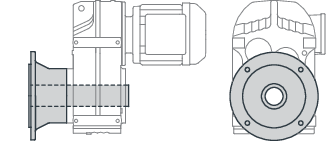
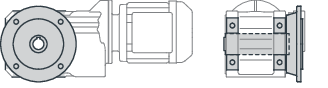
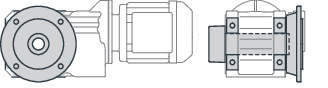
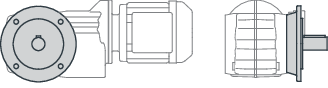
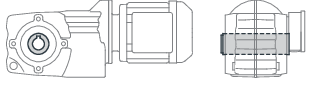
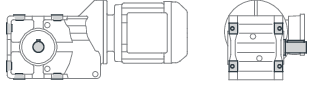
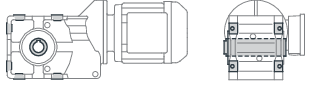
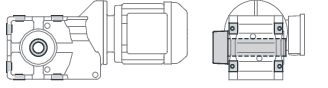
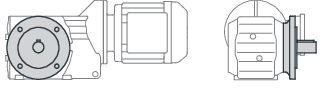
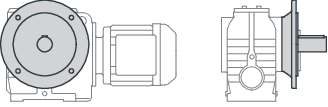
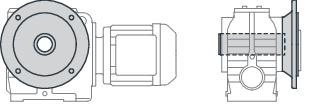
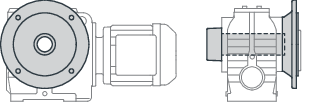
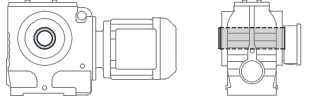
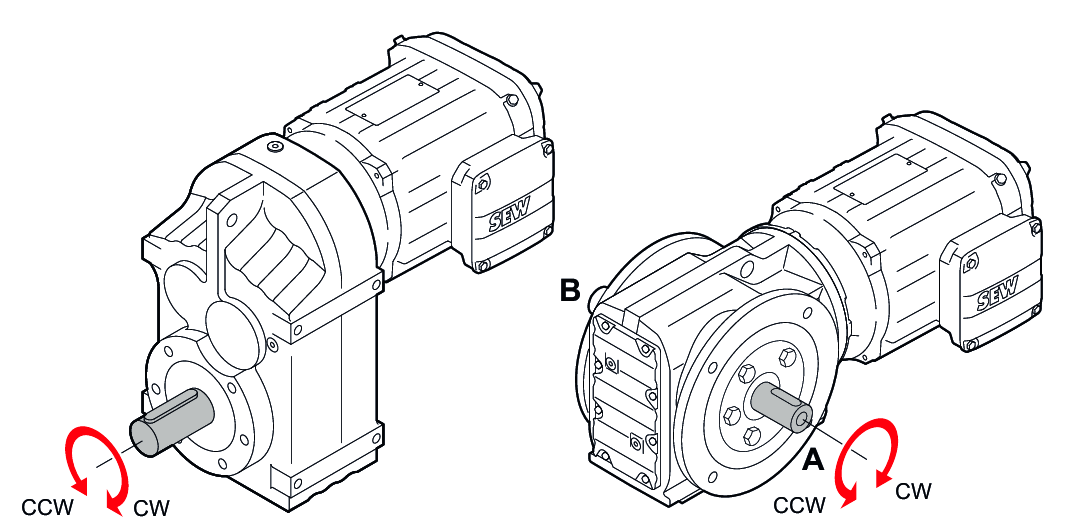
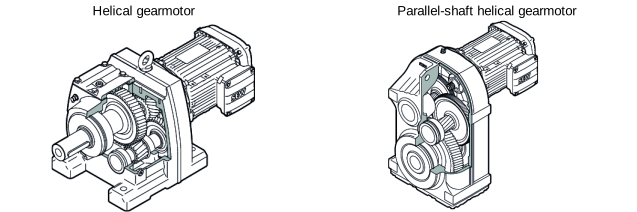
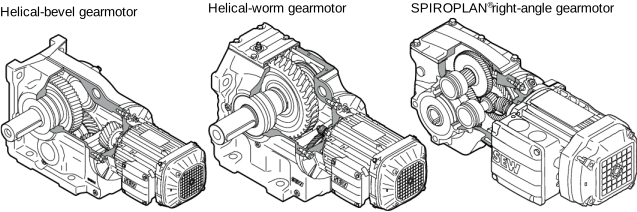
A key criterion for distinguishing between gearmotors is the direction of the power flow within the gear unit. This results in various basic designs.
Parallel-shaft gear units

Right-angle gear units
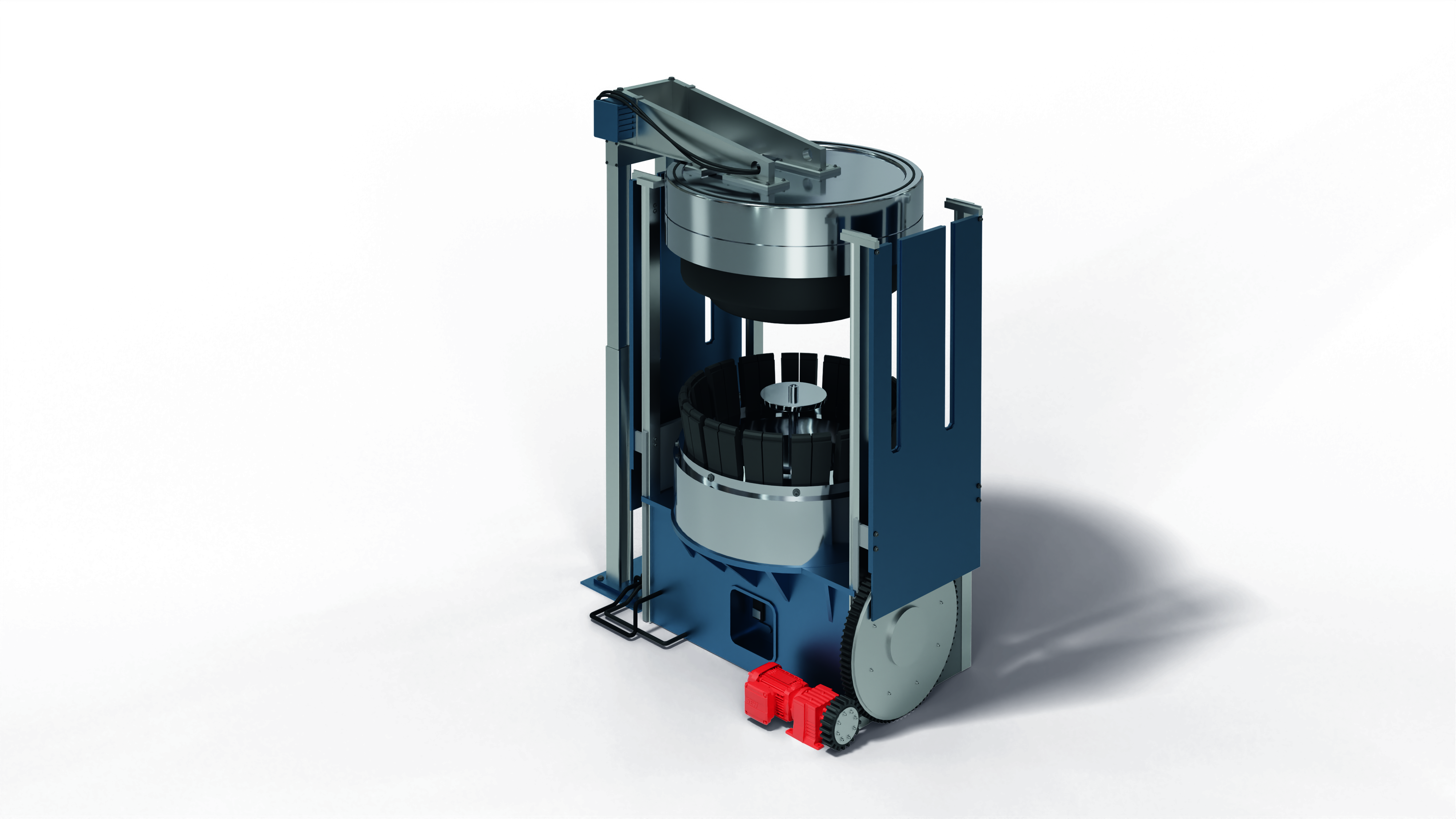
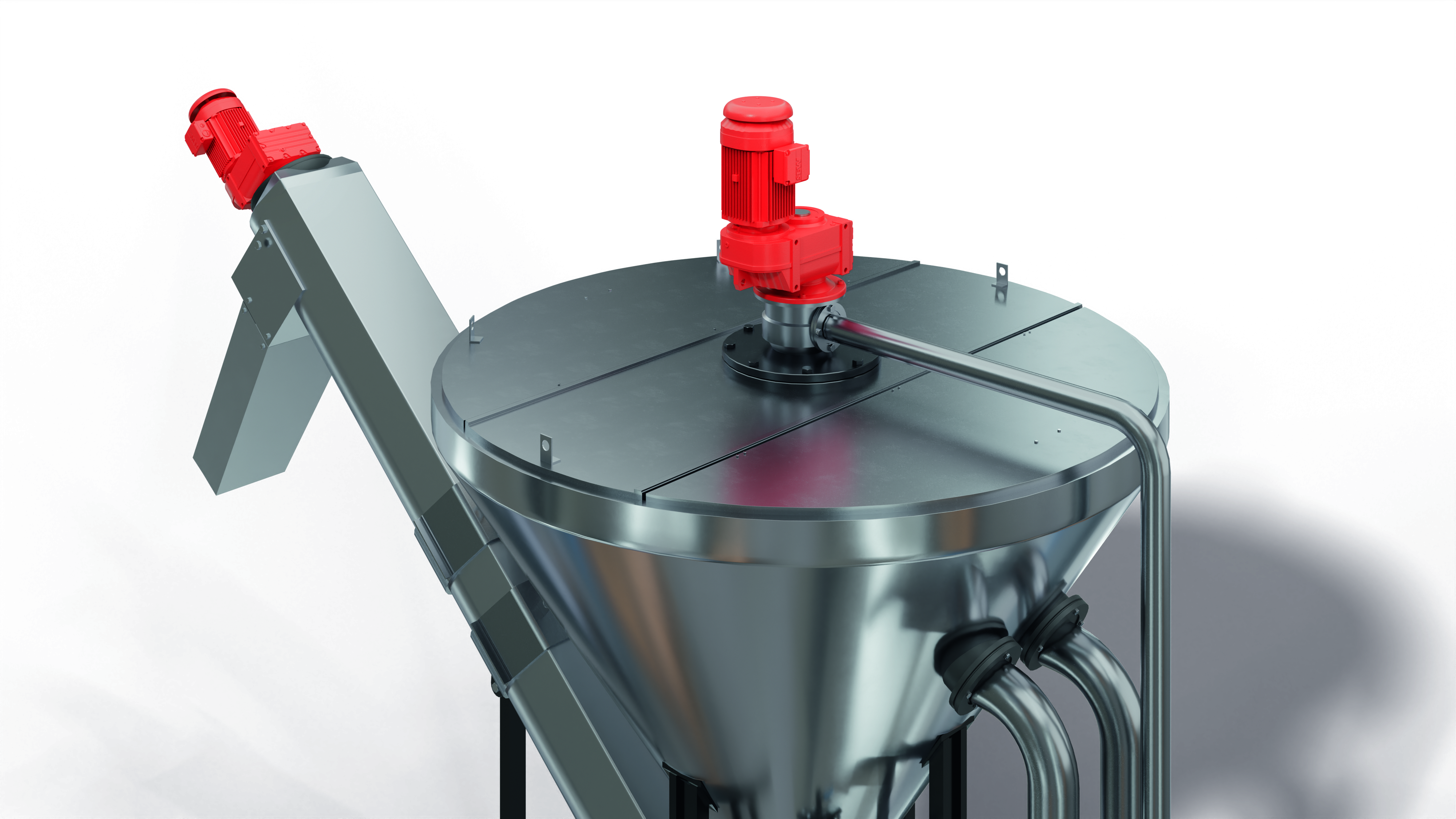
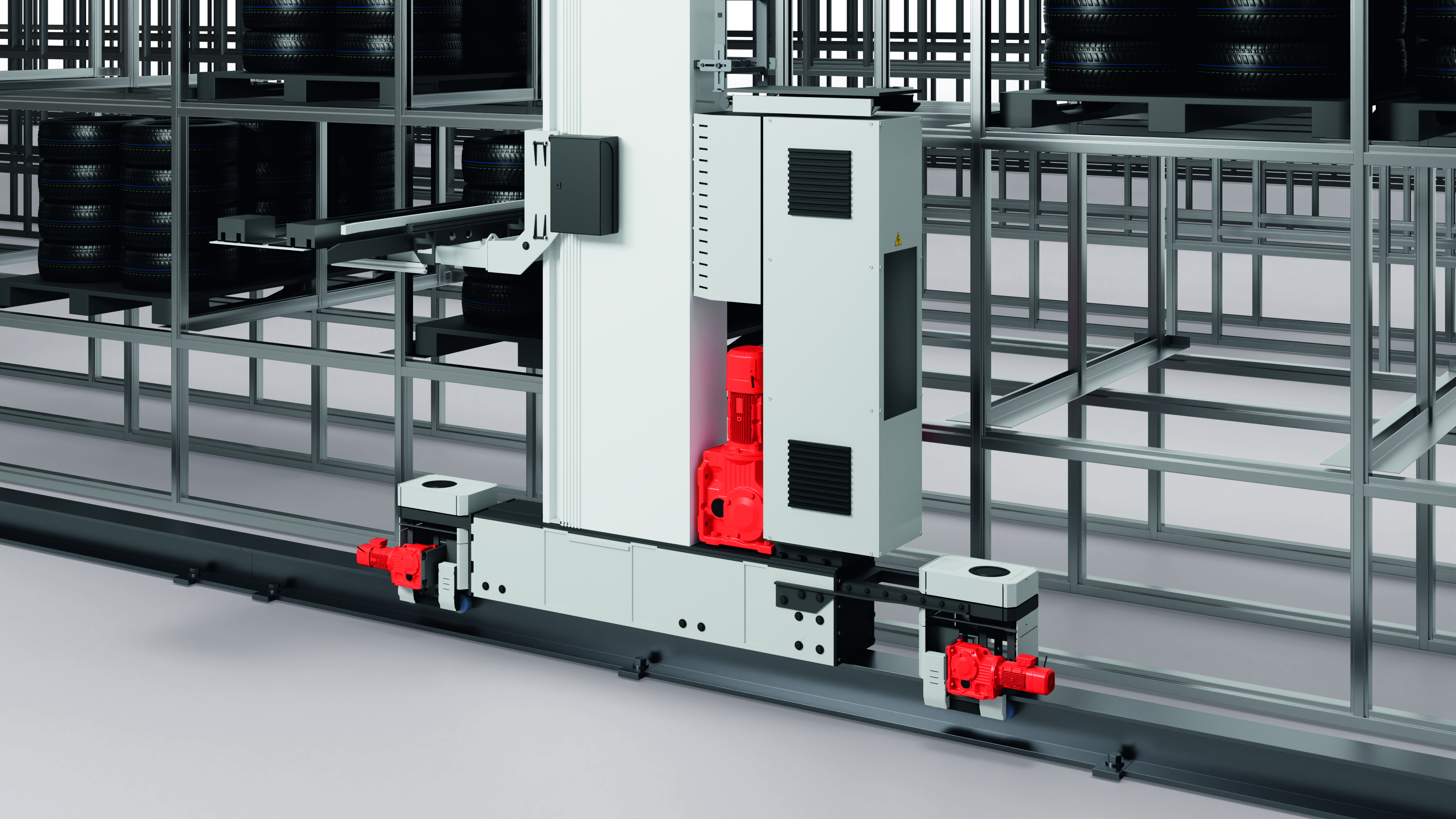
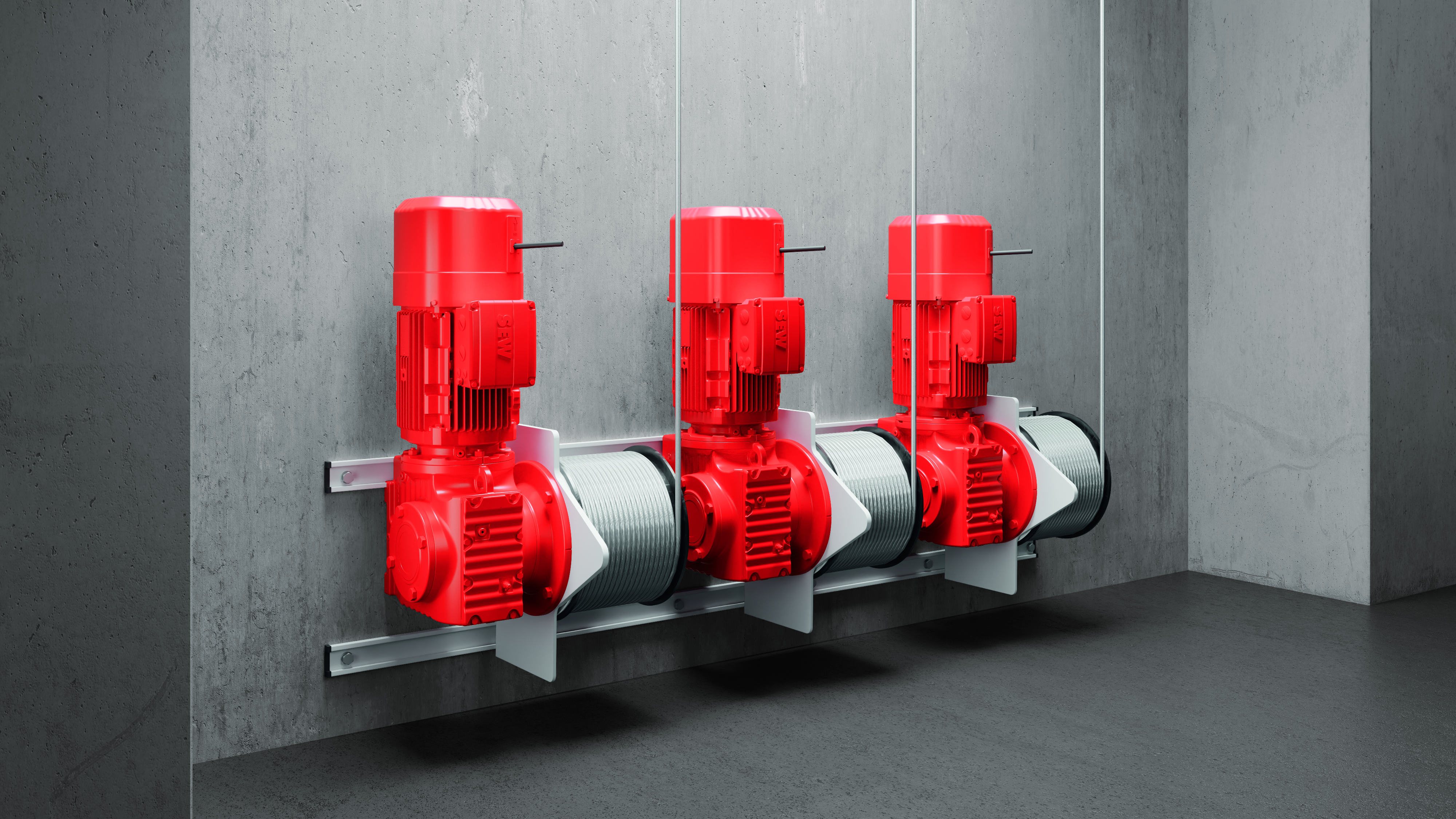
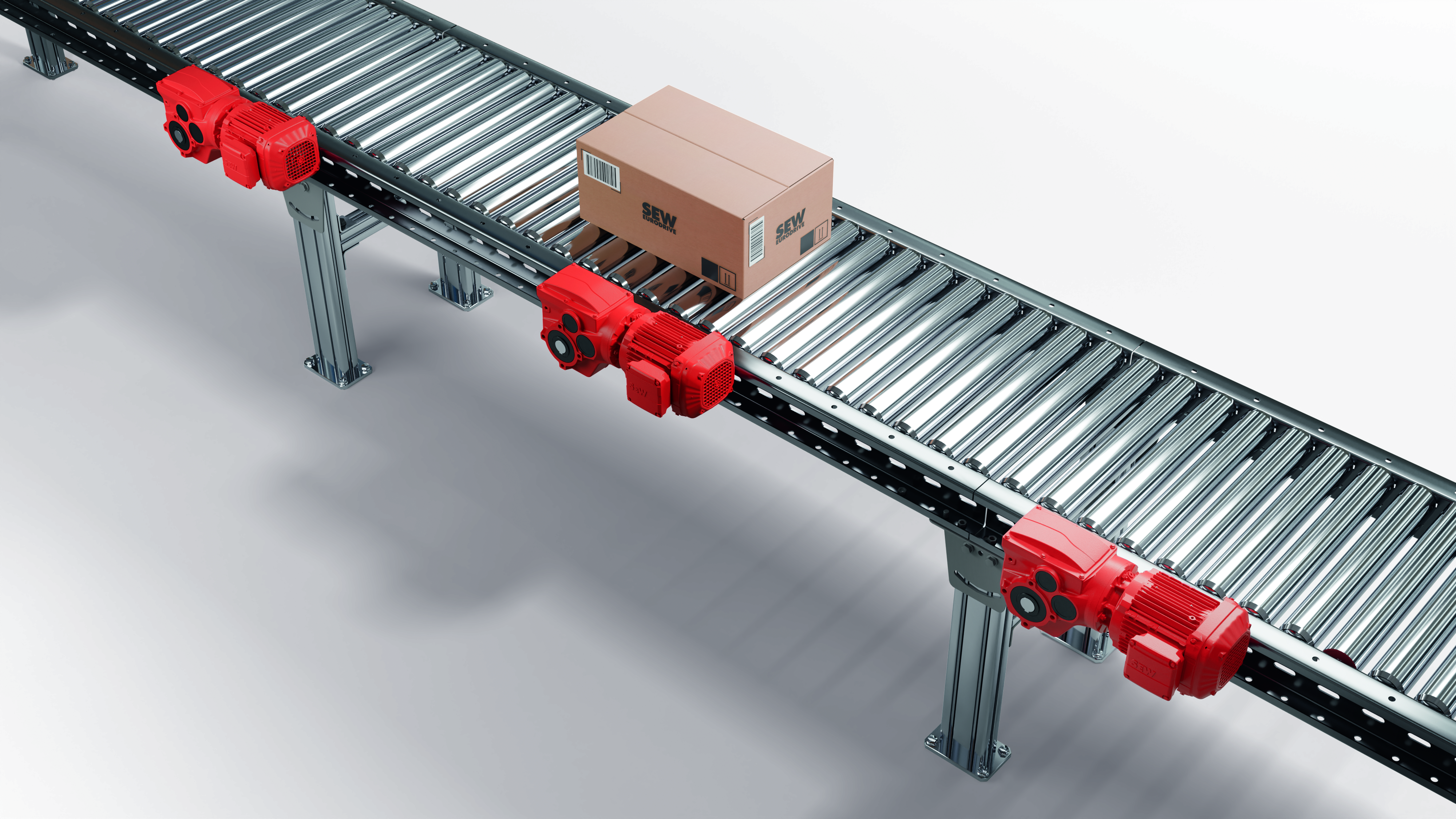
The possible applications for gearmotors are exceptionally varied. Without gearmotors, the entire global economy would come to a standstill. In industrial production, they drive a countless number of conveyor lines, lift and lower loads, and move the widest variety of different goods from A to B in all types of systems.